The Full Benefit of Silk for Babies: Why This Gentle Fabric Deserves a Place in Your Nursery
When it comes to baby sleep, the fabric on their sheet suddenly becomes something you notice in a completely different way. You touch everything twice. You check the inside seams. You might find yourself holding up options and thinking about how it feels or if it has/feels the correct warmth, chill or roughness of touch. But once you care enough to pay attention to these feelings, it won’t be long before you realise silk will come up in your conversation with others, not as an expense, but because it’s a very functional option.
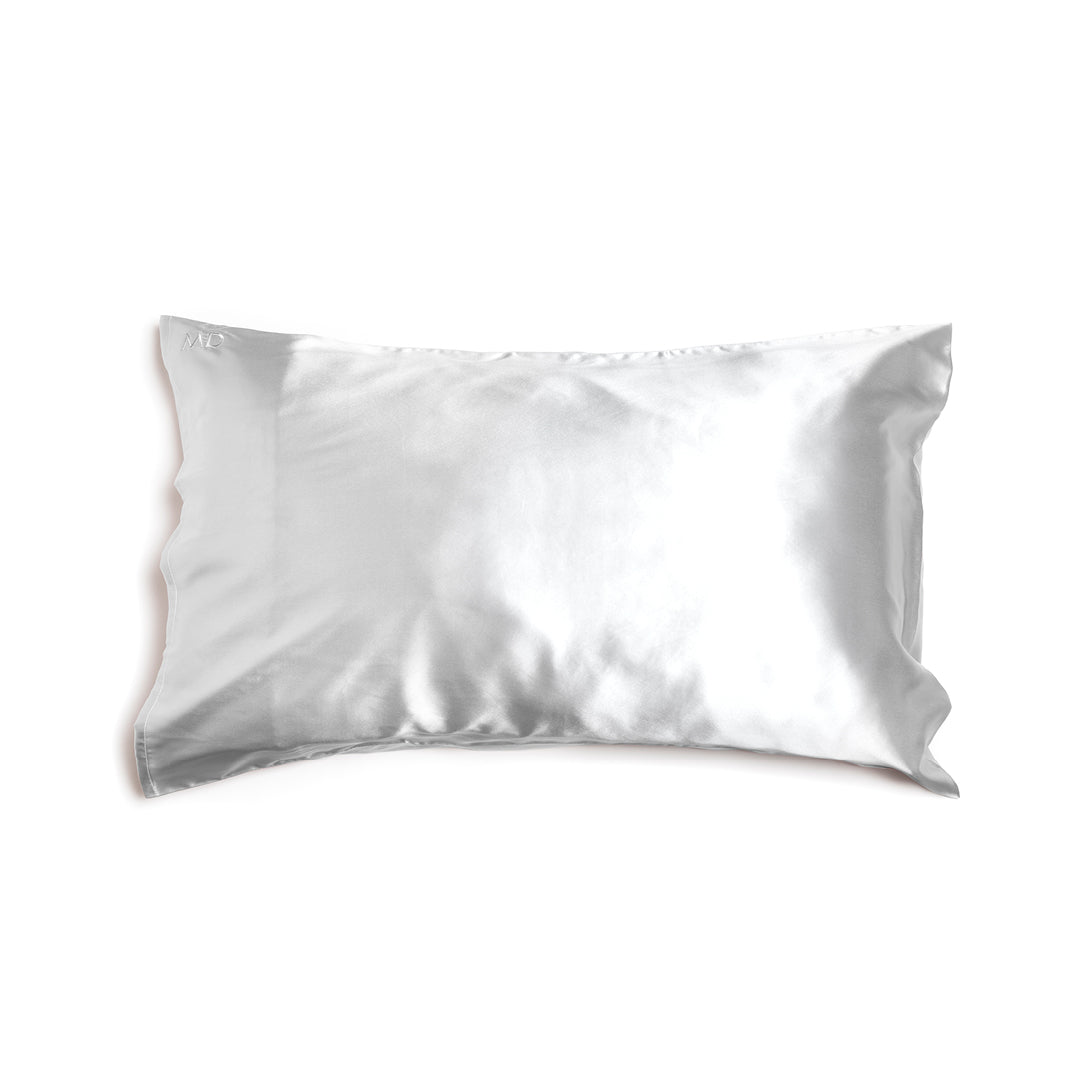
More parents are now choosing to look into pure silk for baby bedding. When you look at the benefits of pure silk which include temperature regulating, soothing for delicate skin & baby hair as well as antibacterial.
Silk Feels Naturally Soft — The Kind of Soft You Don’t Have to Second-Guess
Silk has this effortless smoothness that you really can’t compare to anything else. When sleeping on silk, there is a difference in feeling than when you sleep on other fabrics. Silk is always smooth and light, once washed, unlike many other fabric types (generally all other types), which become heavier and less flexible over time. When using this type of fabric, there will be no stiffness or rough edges as you do with other types of fabrics. For your baby, the benefits of using silk fabric instead of any other type of fabric can be substantial.
A Break for Sensitive Skin
Babies can develop irritation from almost anything — a change in weather, a new detergent, even a slightly rough onesie. Silk helps minimize that. Silk fibers are naturally hypoallergenic; that is, they do not "hold onto" things like dust, mold and other tiny irritants as easily.
As such, many parents report that their babies' skin appears calmer and does not feel so aggravated by touch. While you may not see any major changes, since there’s no magic involved in silk, the decrease in friction can make a huge difference.
Managing a Baby’s Temperature Without Adding Another Layer
A baby can’t manage their body temperature very well. One minute they may be warm and the next minute they may be cold; you will have to figure out if they need an extra blanket or if it’s time to remove one. Silk makes this a bit easier.
The fabric adapts beautifully to temperature shifts. It holds warmth when the room cools down, especially at night, but it also stays airy enough during warmer moments. That natural balance means your baby isn’t overheating in their sleep, nor are they waking up cold. It sounds simple, but consistent comfort makes a big difference to their sleep quality and yours.
Balanced Moisture Levels
Although cotton is wonderful for several reasons, one of its biggest downfalls is how quickly it absorbs moisture during bath time because of all the moisture. The downside of this is that newborns and infants lose moisture from their skin very rapidly, which means cotton is not the ideal choice for all bath times. Silk allows for easy breathing of the skin while not removing the oils that are naturally produced by the skin. A Healthy Skin Barrier will help to prevent dry patches on the skin, especially during colder months due to in-home heating systems sucking all available moisture out of the environment. Silk just offers a little buffer a gentle one, but still noticeable.
Surprisingly Good for Baby Hair
This is something people usually discover by accident. Babies might get small bald patches at the back of the head. That’s mostly friction. They move their heads a lot in their sleep, and whatever fabric they’re lying on ends up rubbing against their hair.
Silk is different. It doesn’t pull or snag. It lets the hair slip instead of catching it. And for babies with curls or very fine strands, it can make a visible difference quite quickly. A silk bassinet sheet can help prevent that frizzy look or the awkward bald patch stage (although many babies still get it — this just reduces the friction behind it).
A Cleaner Sleep Surface Without Much Effort
We can’t see half the things that irritate babies. Dust. Dampness. Residue from detergents. And for newborns who spend long, uninterrupted hours lying down, that extra comfort adds up
Stronger Than It Looks
People often think silk is delicate to the point of being impractical. While most assume that silk is a 'delicate' fabric, nothing could be further from the truth. Pure Quality Silk is actually very strong when properly laundered with a mild detergent and gentle washing cycle; it will retain shape, shine and softness over time. It doesn’t pill. It doesn’t become rough. It simply lasts.
No Fabric Can Solve Everything, But Silk Helps A Lot
Blends won’t give you the same breathable, gentle qualities, and synthetic alternatives definitely won’t behave the same way.
Should You Try Silk for Your Baby?
If you’re curious, try one item. The best place to start would be with a sleepsuit or cot sheet. Many parents report that they notice a significant difference in their child's condition within a week of using pure silk products on their child. The change will not be dramatic, however, a baby will appear to be a little more comfortable, sleeping better than before, or waking with fewer squares of red on their face due to irritations.