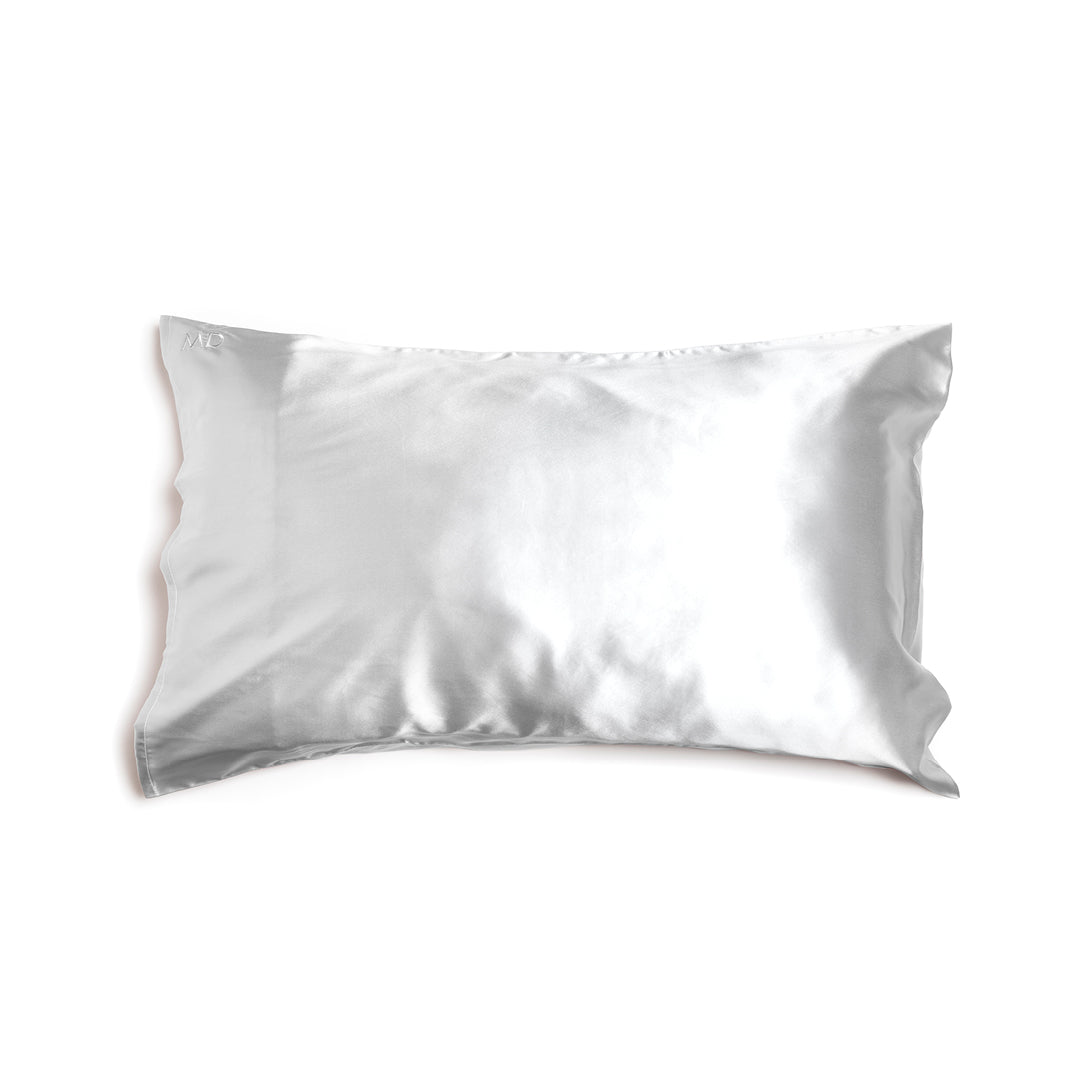
The difference between satin and silk pillowcases?
If you’ve ever wandered into the world of “beauty sleep” products, you’ve probably stumbled across the ongoing satin vs silk pillowcase debate. It feels endless, a bit like choosing between herbal tea blends when all you really want is a good night’s sleep. While they both look smooth and offer your hair and skin a soft touch, and they both claim to offer you the chance to wake up better looking than when you went to bed, these fabrics are actually quite different from one another. Not even close.
Before you commit to one, it helps to understand what you’re actually paying for. And maybe why your hair keeps misbehaving every morning.
What is Silk?
Silk is a fiber found naturally around the world and comes from the cocoons (or silk) made by the silkworms. As such, it's essentially produced on or near the surface of the ground; although there is a technical description of silk, it is generally considered as nothing more than layers of thread woven together. Not only does silk feel good on our skin, but it has also been used as lootly for a long time for many reasons. Silk is breathable (it will keep you dry), smooth, and surprisingly durable considering how soft it feels.
Most mulberry silk is considered to be the best quality of silk available. It’s uniform, soft, and has a beautiful drape. And because it’s a protein-based fibre (almost like hair, if you think about it), your skin and strands tend to get along with it really well.
And Satin?
Here’s where things get a bit confusing. Satin isn’t a fibre. It’s a weave. The glossy surface of satin is due to the way that satin threads are woven; however, most satin pillowcases you see in stores today tend to be made of polyester rather than silk. Sometimes nylon. Occasionally a mix of both.
This doesn’t make satin “bad”. It just means it behaves differently. You can feel the smoothness, but the underlying material doesn’t breathe like natural silk. Some people don’t mind that. Others notice it straight away.
Satin vs Silk Pillowcases: Breaking Down the Real Differences
Let’s go through the bits that actually matter, because nobody has the patience to skim through exaggerated marketing claims.
1. How They Feel While You Sleep
Silk has a really nice soft & cool feel which stays this way even after you have been laying on it for a while, regardless of the temperature difference between the outside air & what feels comfortable to you as long as you have been using it for the past few hours or days etc. On a hot night, silk will remain at a comfortable temperature for sleep and during cold nights, it adapts to your individual temperature, eliminating the "cold" feeling that comes from a lot of other fabrics.
In contrast, polyester satin fabric tends to retain body heat. Although this material looks beautiful with bright colors and a lustrous finish, it can get very warm to lie on while sleeping. Some people find it fine; others find themselves flipping the pillow over every hour.
2. Hair: Frizz & Breakage
People rave about both satin and silk for hair care, and that’s mostly true. You’ll get less friction either way, which means fewer tangles, fewer random “crunchy” spots on your hair, and a healthier look over time.
Comparing the two, silk is superior in pulling moisture from your hair than synthetic satin does that may cause hair drying and frizziness. Silk is especially good for those who have hair that is already on the dry/brittle end or if hair has a tendency to do so. Curly-haired people tend to benefit the most from using silk because it keeps their curls looking more organized during the night without creating 'bee's knees' in the morning.
When dealing with skin, silk offers fewer irritations to the skin than other materials do. Silk is naturally hypo-allergenic, meaning that it 'doesn't cling' or trap heat under your face for hours while you sleep. If you use serums or night creams you will notice that more product ends up on your face, not your pillowcase.
Satin is also a very smooth material, thus creating no tugging or pulling against the skin. However, certain types of synthetic satin can hold on to too much heat and oil if you suffer from sensitive or oily/acne-prone skin and could result in the occasional flare-up. Not always — but enough to notice.
4. Care & Longevity
This part usually influences people more than anything else.
Silk requires care. The washing of satin can be rough with harsh cleaning products and/or tumble drying at high speeds if you want to get the best out of it. Otherwise, satin needs to be treated as if you had a very well-behaved pet – it is still a good companion, but it needs to be cared for in a more gentle manner.
Satin is an easy material to care for. Just throw it into the washer, use your normal cycle and allow it to air dry. Nothing dramatic. It also resists wrinkles, which is convenient if you can't be bothered ironing your bedding.
5. Cost Differences
There's no avoiding it: silk is an investment. A high-quality silk pillowcase can cost several times more than satin. But you’re paying for a natural fibre, a specific kind of weave, and benefits that genuinely come from the material itself — not just the finish.
Satin is an affordable option and seems like a good deal for any beginner level considerations.
Which One is the Right Match for You?
Your choice will depend on what you prioritise.
If you want everything — breathability, moisture absorption, skin care, a luxurious feel, etc., silk is certainly the best option for you. Silk is consistently higher quality and can last for several years (when cared for properly). Most people never go back to less expensive alternatives after trying out silk.
If you simply want a soft, smooth pillowcase that will not yank your hair up, and you don't want to deal with care instructions, satin will meet those needs. It's kinder to your pocket while being gentle on your hairs as well. Overall more efficient than cotton pillowcases.
A Quick Thought Before You Decide
The biggest mistake people make is focusing only on the shiny surface. Satin can look luxurious, but that gloss comes from the weave not the fibre itself. In most cases, satin pillowcases are made from synthetic materials that don’t offer the same breathability, moisture balance, or skin-friendly properties as natural silk. For anyone looking to improve sleep quality, skin health, and hair care, choosing to purchase a silk pillowcase is about investing in the fibre itself, not just the appearance.
Silk isn’t great because it looks fancy it’s great because the fibre itself works with your body rather than against it while you sleep. From temperature regulation to reduced irritation and moisture retention, silk offers benefits that satin simply can’t replicate.
Conclusion
When it comes to satin vs silk pillowcases, the difference lies in the fibre — not just the feel.
Silk stands out as the superior choice for sleep. Its natural breathability, temperature regulation, and gentle interaction with both skin and hair make it ideal for long-term comfort and beauty benefits. For those concerned with frizz, breakage, irritation, or overnight skin care, silk consistently delivers results that synthetic fabrics cannot.
While satin may offer a smooth surface, it lacks the natural properties that make silk such a powerful material for sleep and self-care. If your goal is to support healthier hair, calmer skin, and more comfortable rest, silk remains the clear winner.
Switching from cotton is a step forward — but choosing silk is the upgrade that truly makes a difference.