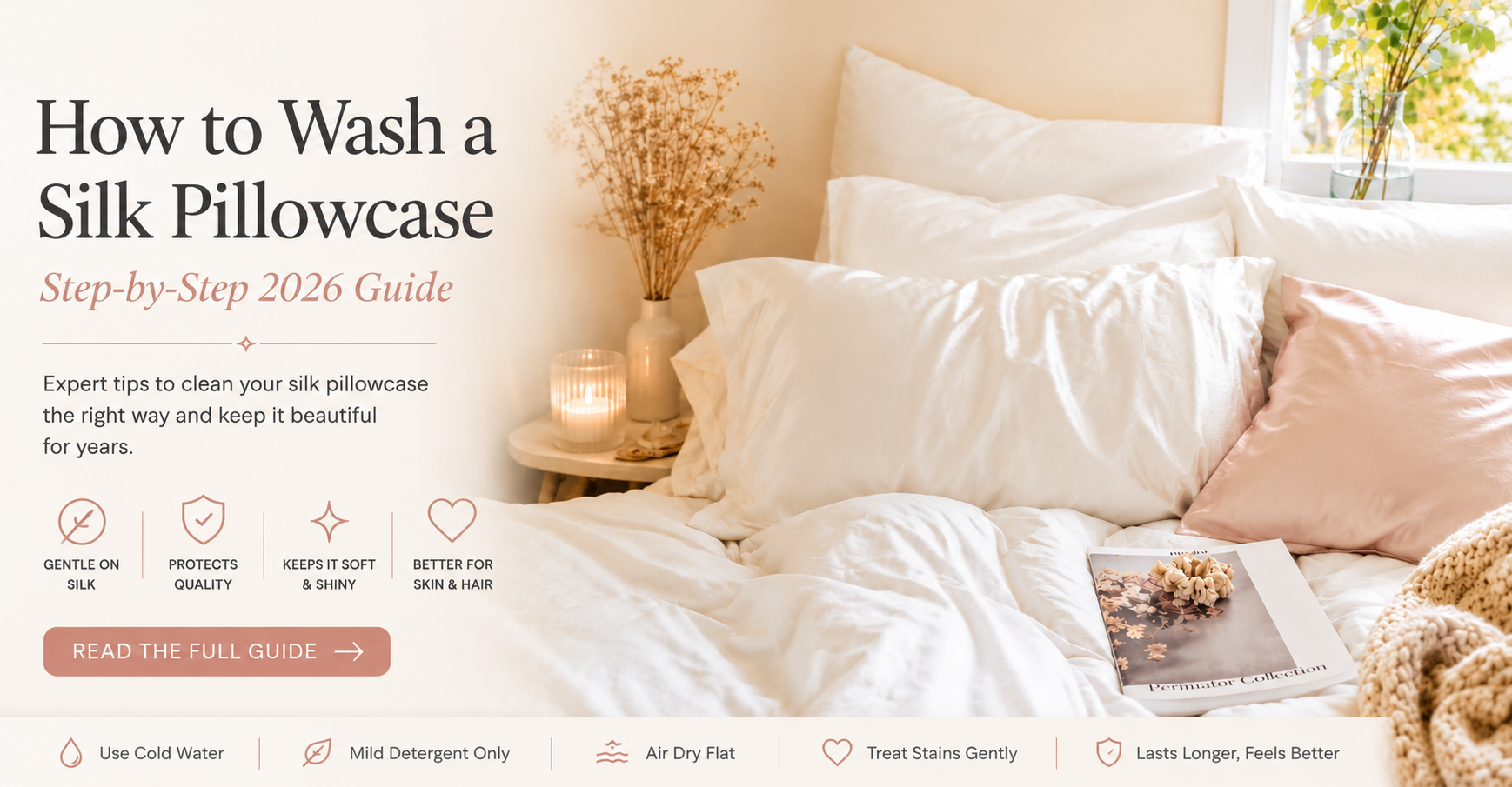
Why Silk Pillowcases Are a Game-Changer for Sleep in New Zealand
New Zealanders take their sleep seriously and with good reason. Whether you're winding down after a long day in Auckland's humidity or waking up to a crisp Queenstown morning, the quality of your sleep is directly tied to how you feel, look, and perform every single day. But here's something most Kiwis haven't considered: the pillowcase you sleep on might be doing more harm than good.
Enter the silk pillowcase, a luxurious upgrade that is fast becoming one of the most talked-about sleep accessories in New Zealand homes. Once considered a niche indulgence, silk pillowcases are now being recommended by dermatologists, hair specialists, and sleep experts alike. So what's all the fuss about? Let's break it down.
What Makes Silk Pillowcases Different?
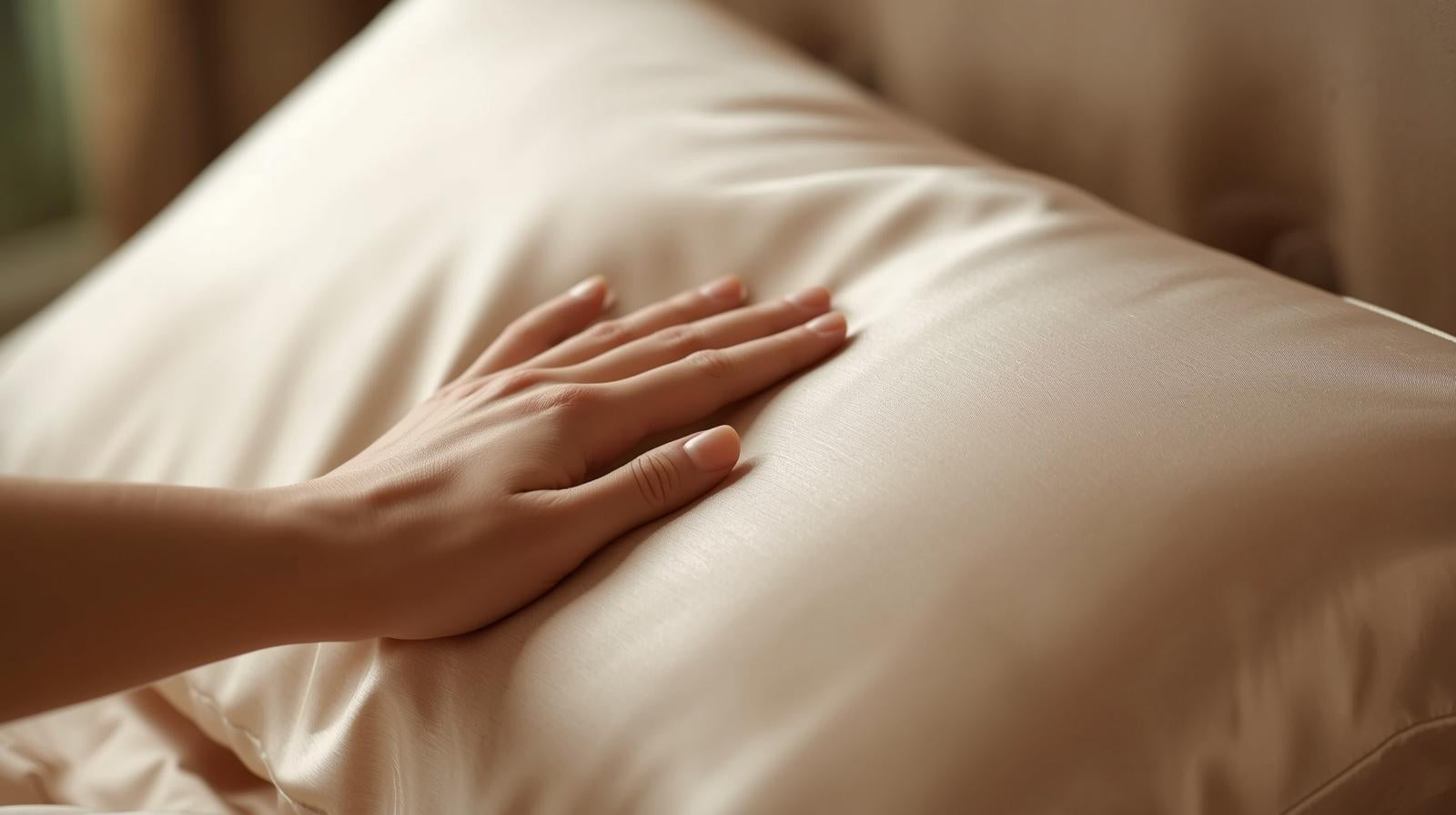
Not all pillowcases are created equal. The standard cotton pillowcase found on most Kiwi beds is a woven fabric with a relatively rough surface texture. While it feels fine to the touch, cotton actually creates friction against your skin and hair as you move during sleep. Over time, this friction adds up.
Silk, on the other hand, is a natural protein fibre with an incredibly smooth surface. The most premium silk pillowcases are made from mulberry silk, measured in momme (mm) weight the higher the momme, the denser and more durable the fabric. A quality silk pillowcase typically falls between 19mm and 25mm, striking the perfect balance of softness, durability, and breathability.
This smooth surface is the foundation of every benefit silk pillowcases offer and there are quite a few.
The Benefits of Silk Pillowcases for New Zealanders
1. Better Hair, Every Morning
Ask anyone who has switched to a silk pillowcase and the first thing they'll mention is their hair. Cotton pillowcases create friction that roughens the hair cuticle as you toss and turn during the night. The result? Frizz, split ends, tangles, and breakage especially for those with fine, curly, or colour-treated hair.
Silk's smooth surface allows hair to glide freely, reducing mechanical stress on each strand. Hairdressers and trichologists across New Zealand and globally have started recommending silk pillowcases as part of a healthy hair care routine particularly for clients recovering from chemical treatments or dealing with thinning hair.
For Kiwis who spend money on high-quality hair products, serums, and salon treatments, switching to a silk pillowcase is a logical next step to protect that investment while you sleep.
2. Kinder to Your Skin
Sleep lines those temporary creases you wake up with are caused by your face pressing and dragging against a rough fabric surface for hours on end. While they fade quickly when you're young, repeated compression and friction over years can contribute to the formation of permanent fine lines and wrinkles.
Silk's frictionless surface allows your skin to rest without being tugged or compressed in the same way. Many users report waking up with noticeably smoother, less puffy skin after making the switch.
Beyond anti-ageing, silk pillowcases are also a smart choice for those with sensitive skin conditions. Eczema, rosacea, and acne-prone skin can all benefit from a fabric that is naturally hypoallergenic, non-irritating, and unlikely to harbour the dust mites that cotton absorbs so readily.
3. Temperature Regulation in New Zealand's Variable Climate
New Zealand's climate is famously unpredictable. From the subtropical warmth of Northland to the alpine chill of the South Island, Kiwis experience a wide range of sleeping conditions sometimes within the same week.
Silk is a naturally thermoregulating fabric. It keeps you cool during warmer nights and helps retain warmth when temperatures drop. Unlike synthetic fabrics, which trap heat and moisture, silk wicks away excess humidity from the skin while maintaining a comfortable sleeping temperature.
This makes silk pillowcases particularly well-suited to New Zealand's transitional seasons, those weeks in spring and autumn when temperatures swing dramatically between day and night. If you've ever woken up sweaty and uncomfortable despite the cool outdoor air, your pillow fabric may be part of the problem.
4. Moisture Retention for Skin and Hair
One often-overlooked benefit of silk is its moisture-retaining properties. Cotton is highly absorbent which is great for towels, but not ideal for pillowcases. When you sleep on cotton, it draws moisture away from your skin and hair throughout the night, leaving you drier by morning.
For New Zealanders dealing with dry skin (a common concern during winter, particularly in inland regions like Otago and Canterbury), this moisture loss can exacerbate dryness, dullness, and flakiness. A silk pillowcase retains the skin's natural moisture and allows any overnight serums or moisturisers to stay where you applied them on your face, not absorbed into the pillowcase.
The same applies to hair. Dry, brittle hair is often worsened by moisture-stripping cotton pillowcases. Switching to silk helps preserve the hair's natural oils, leaving it softer and more manageable.
5. Hypoallergenic Properties
Allergies are a real concern in New Zealand, where pollen counts can be high and dust mites thrive in the warm, humid months. Standard cotton pillowcases are a known haven for dust mites and allergens, which can trigger sneezing, itchy eyes, and disrupted sleep.
Mulberry silk contains a natural protein called sericin, which acts as a natural repellent to dust mites, mould, and other common allergens. For allergy sufferers, asthma patients, or anyone with a sensitive respiratory system, a silk pillowcase can meaningfully improve sleep quality simply by reducing exposure to irritants.
Silk Pillowcases and Sleep Quality: The Connection
It's easy to think of silk pillowcases as purely a beauty product, but their impact on sleep quality is just as significant. Quality sleep depends on your ability to stay comfortable, undisturbed, and at the right temperature throughout the night.
When your pillow fabric is pulling at your skin, absorbing your moisture, overheating you, or triggering allergies, it creates micro-disturbances small interruptions in your sleep cycle that accumulate into fatigue, brain fog, and poor recovery. Many New Zealanders are surprised to find that they simply sleep better after switching to silk, even without any other changes to their routine.
The psychological element matters too. Slipping into bed on a cool, smooth silk pillowcase creates a sensory experience that signals relaxation. It's a small but meaningful ritual that helps prime your mind and body for deeper, more restorative rest.
Choosing the Right Silk Pillowcase in New Zealand
With the growing popularity of silk pillowcases, the market has become crowded and not all products labelled "silk" are created equal. Here's what to look for when shopping in New Zealand:
- 100% Mulberry Silk: Avoid satin (which is often polyester), "silk-like" blends, or products that don't specify the silk type. Mulberry silk is the gold standard.
- Momme Weight: Look for 22mm for the best combination of softness, durability, and breathability.
- OEKO-TEX Certification: This ensures the fabric has been tested for harmful substances, an important consideration for those with sensitive skin.
- Envelope Closure: An envelope closure keeps the pillowcase securely in place and is much more durable than a zip closure with silk. A zip closure tends to pull and rip away from the silk over time, whereas an envelope closure is much more long lasting and doesn’t wear easily.
- Care Instructions: Quality silk pillowcases should be hand-washable or machine washable on a gentle cycle. Avoid harsh detergents and tumble drying.
How to Care for Your Silk Pillowcase
Silk requires a little more care than cotton, but it's nothing complicated:
- Wash in cool water using a gentle, pH-neutral detergent or a product specifically formulated for delicate fabrics.
- Hand washing is ideal, though a mesh laundry bag on a delicate cycle works well.
- Never wring or twist the fabric gently, press out excess water instead.
- Dry flat or hang in the shade. Direct sunlight can degrade silk fibres over time.
- Iron on the lowest setting if needed, or lightly steam.
With proper care, a high-quality silk pillowcase can last for years, making the upfront investment well worth it.
The Verdict: Is a Silk Pillowcase Worth It for Kiwis?
The short answer is yes for most New Zealanders, a silk pillowcase is one of the most impactful, low-effort upgrades you can make to your sleep routine. It addresses multiple common sleep and beauty concerns simultaneously: hair damage, skin irritation, overheating, dryness, and allergies.
Unlike expensive skincare gadgets or complex sleep technology, a silk pillowcase works quietly and passively, night after night, while you rest. It doesn't require a new habit, a learning curve, or a lifestyle change. You simply swap out your old pillowcase and let the silk do the work.
Whether you're an Aucklander dealing with summer humidity, a Wellingtonian braving cold southerlies, or a Cantabrian navigating the driest of winters, your sleep environment matters and your pillowcase is a bigger part of it than you might think.
Sleep well. You've earned it.